FlorenceBroadhurst.
1899 — 1977A woman who refused to be small. A life far larger than the extraordinary designs she left behind.
Discover her story ↓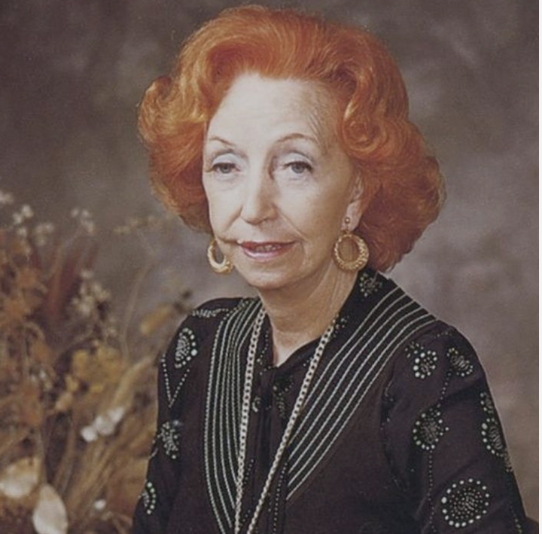 The woman behind the designs
A Woman Who Refused to Be Small
She left rural Queensland as a girl with a voice and an audience to find.
Florence Broadhurst entered the world in 1899, at a time when Australia itself was still young. Journeys across the world took weeks, and a young woman from rural Queensland could scarcely imagine that one day she would build businesses in Asia and Europe before transforming Australian design.
Florence never measured her future by what others believed possible.
Music became her first invitation into a larger world. As a young performer, she discovered that audiences remembered confidence, elegance and personality as much as talent.
Years later, she would apply that same understanding to the rooms people lived in.
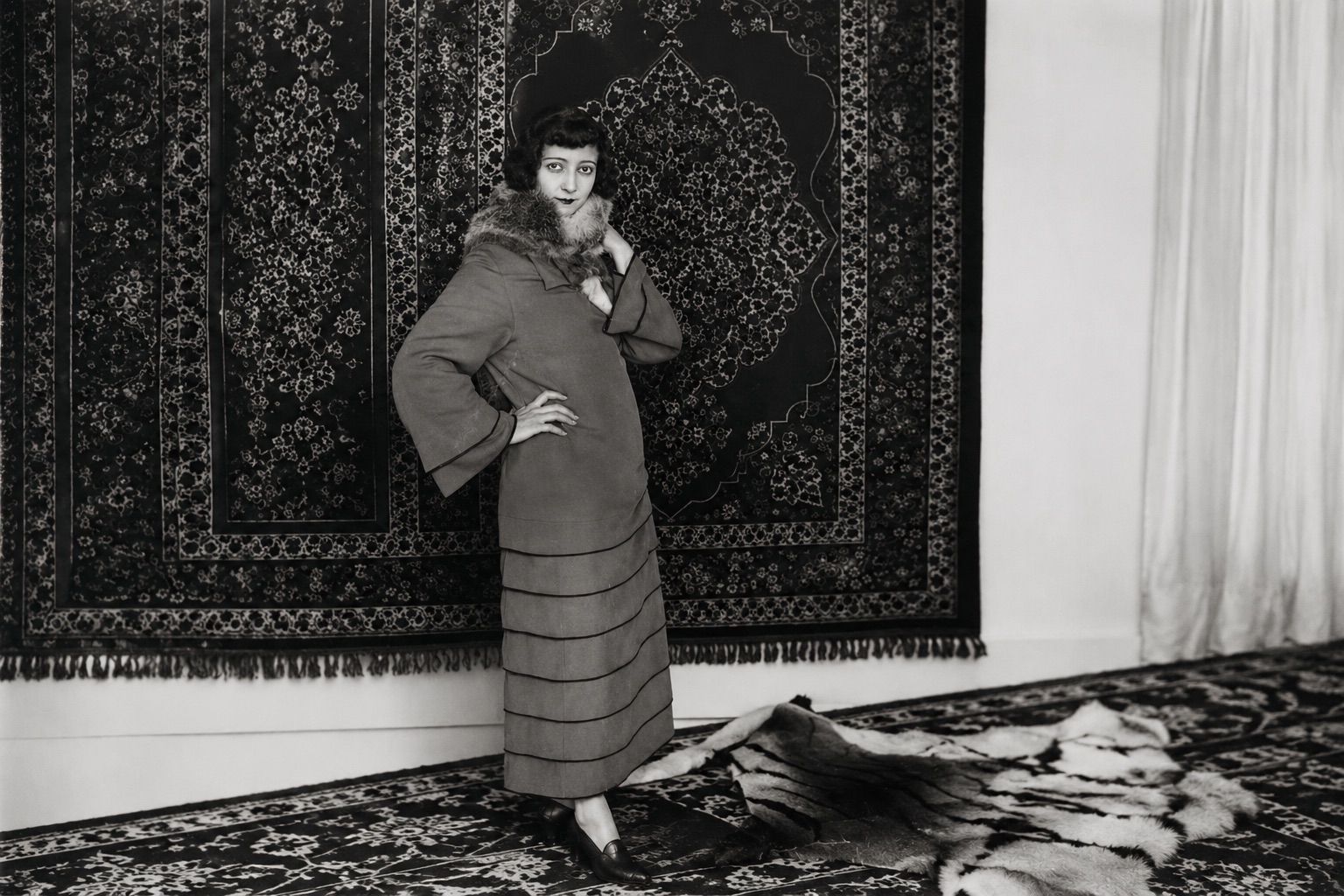 Florence · The world traveller
Shanghai.
London.
Beyond.
Before there was a signature, there was a woman with an insatiable curiosity about the world.
In 1922, aged twenty-three, Florence joined Dick Norton's Globe Trotters and boarded a steamship bound for Asia.
Shanghai introduced her to an extraordinary world of international commerce, fashion, gardens, architecture and decorative arts.
Read the Shanghai chapter
Read the London chapter
She never collected souvenirs.
She collected ideas.
A Life in Chapters
Six moments that shaped the woman behind one of Australia's most distinctive design archives. Select a year to explore.
The beginning of an extraordinary life
Born in rural Queensland in 1899, Florence grew up in a world that offered women far fewer opportunities than she would ultimately pursue.
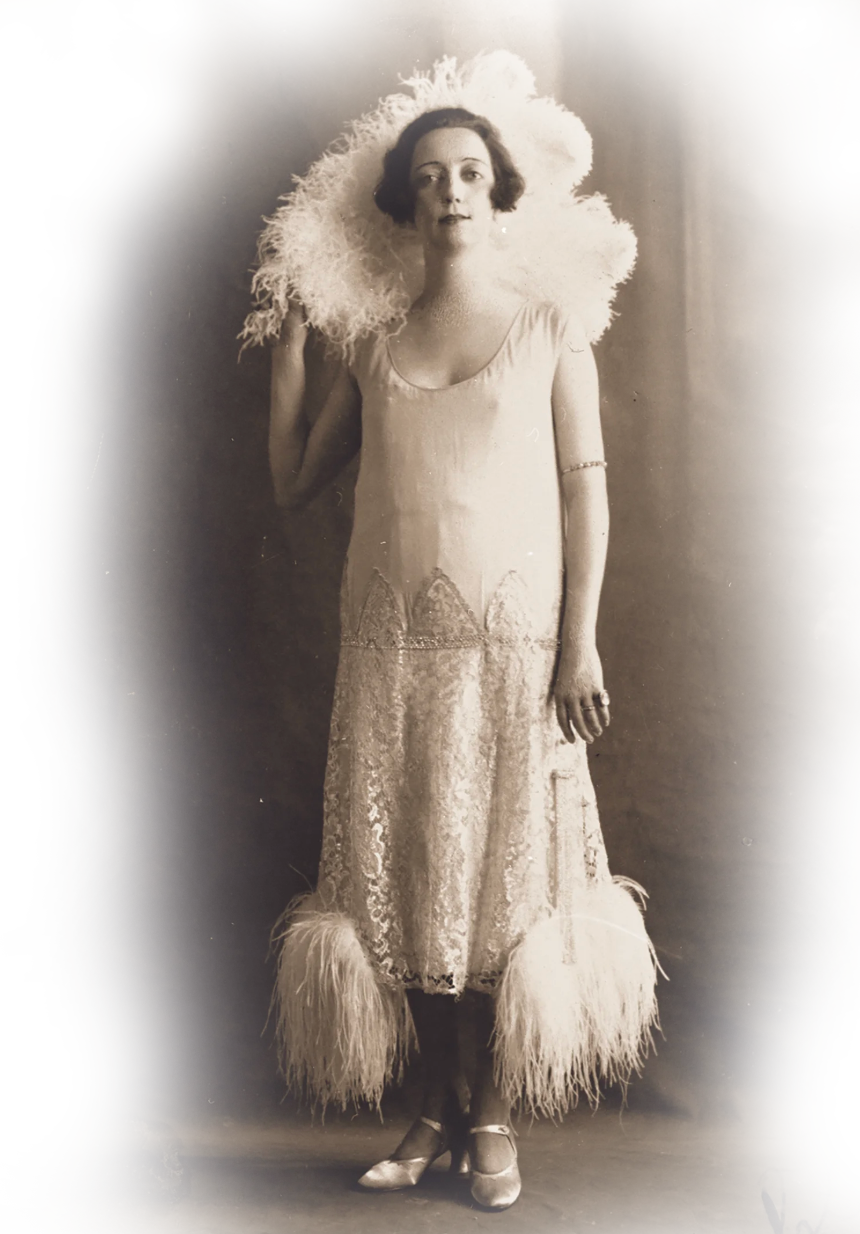
The world opens
Florence travelled to Asia with Dick Norton's Globe Trotters. Her performing years and life in Shanghai expanded her creative and commercial horizons.
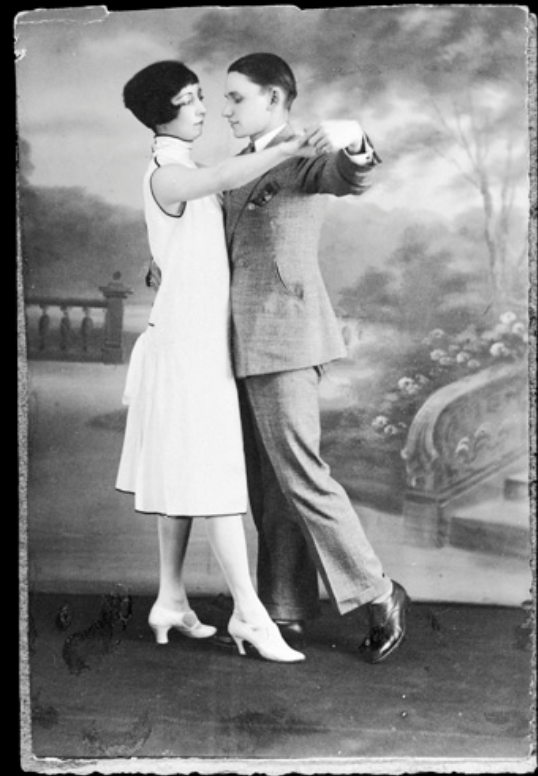
A remarkable homecoming
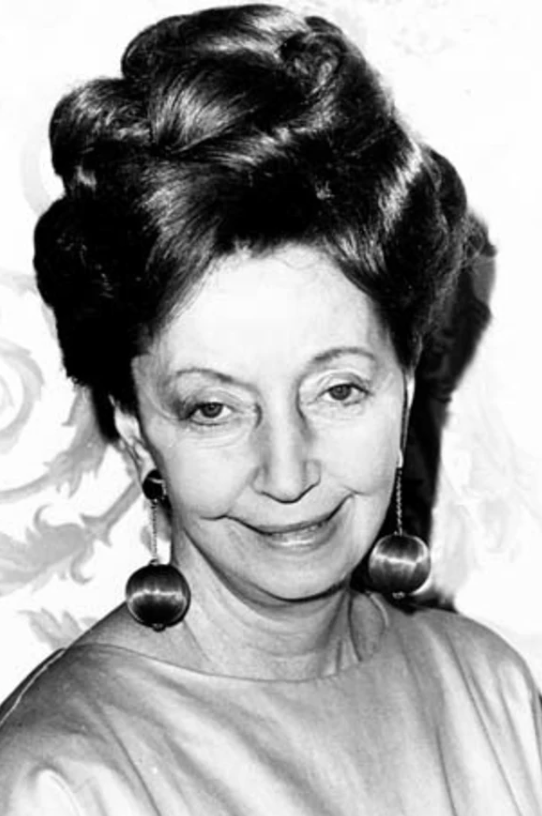
At fifty, Florence returned to Sydney carrying decades of experience in performance, education, fashion, travel and business.
The defining enterprise
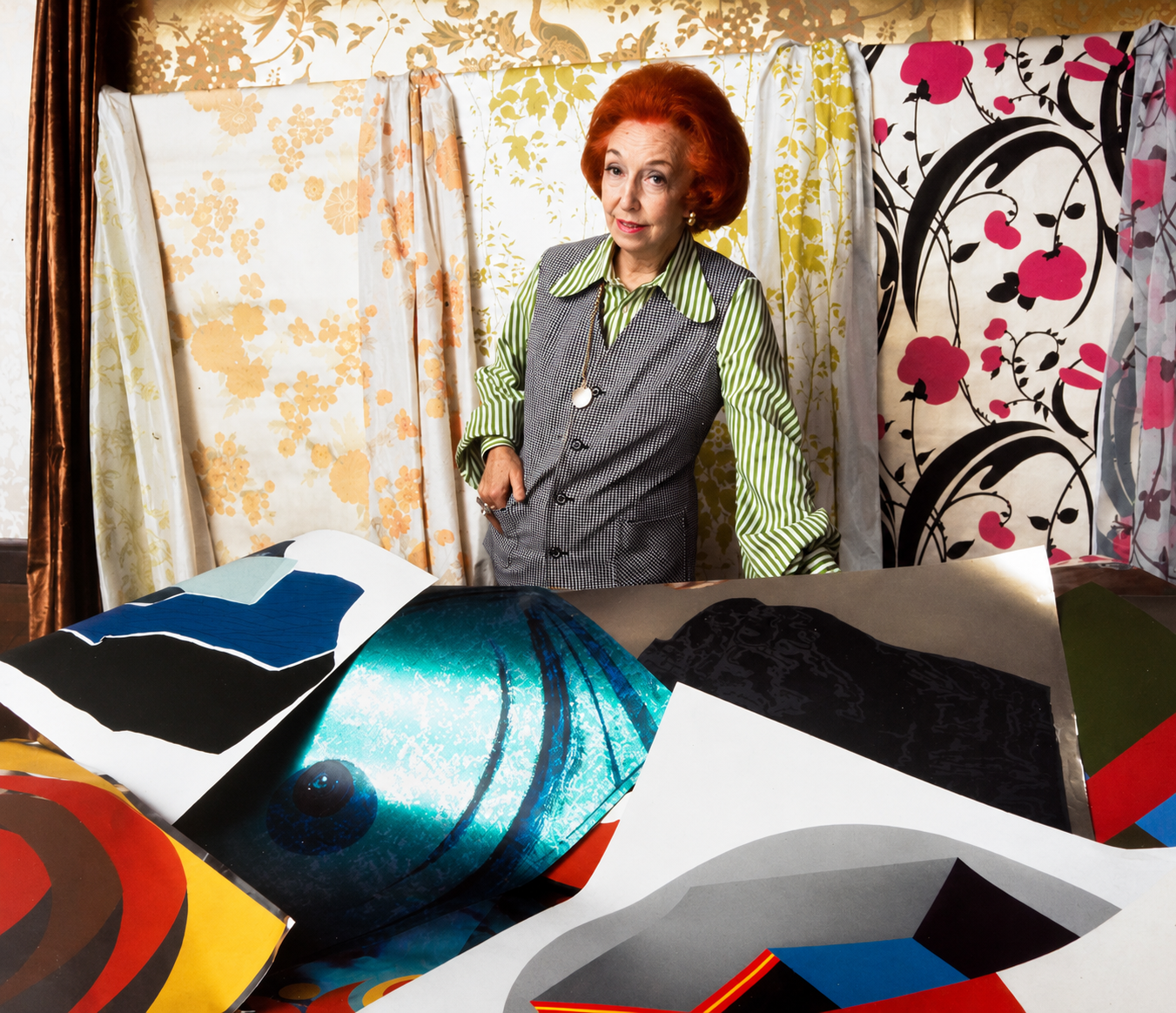
Florence founded Australian Wallpapers at sixty, bringing together a lifetime of visual observation, artistic confidence and commercial instinct.
Colour, scale and invention
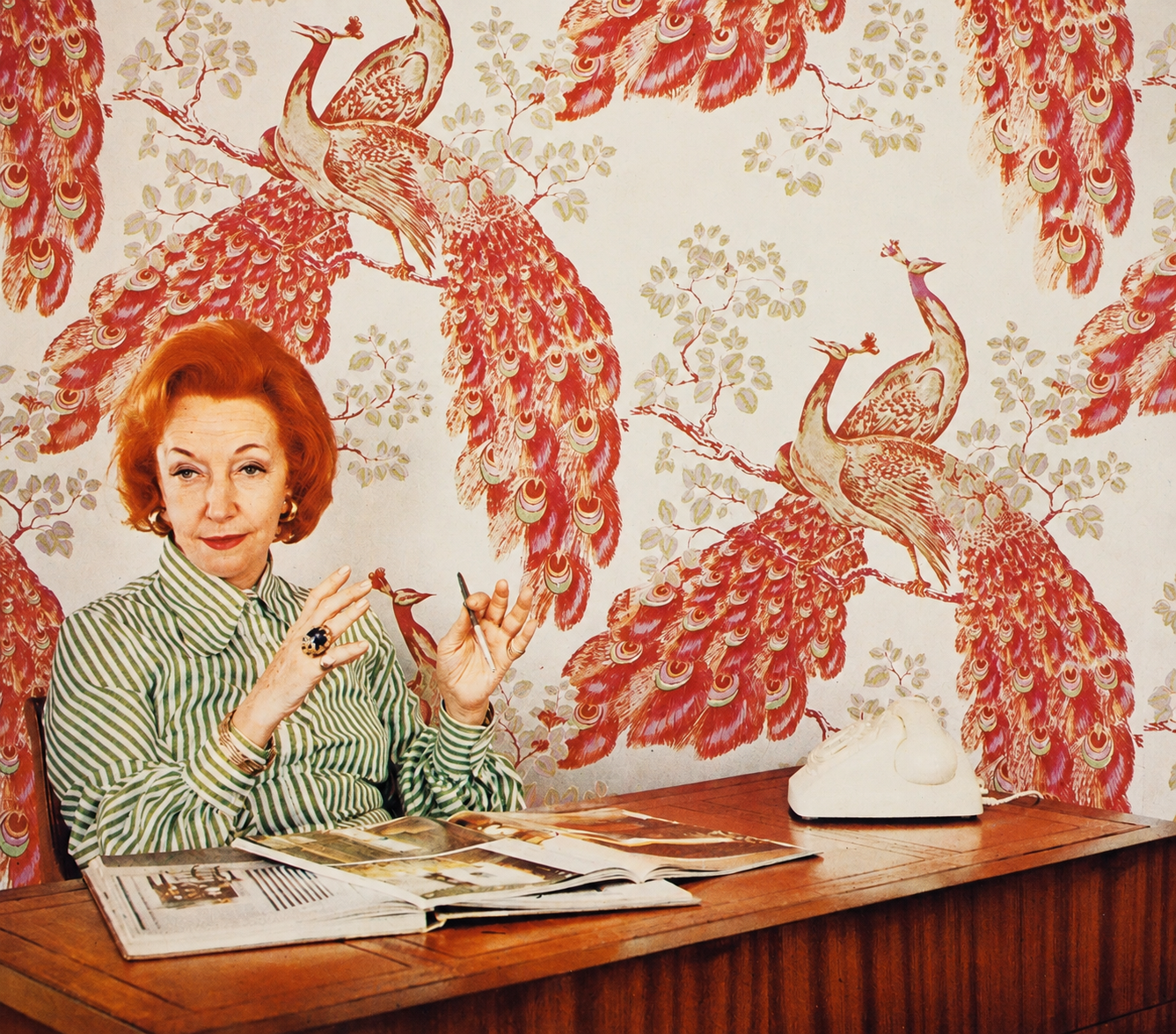
Her studio became known for hand-screen-printed wallpapers, striking metallic effects, dramatic florals and powerful geometric compositions.
A life ends. A legacy continues.
Florence died in October 1977. Her surviving artwork and designs preserve the remarkable creative world she built.
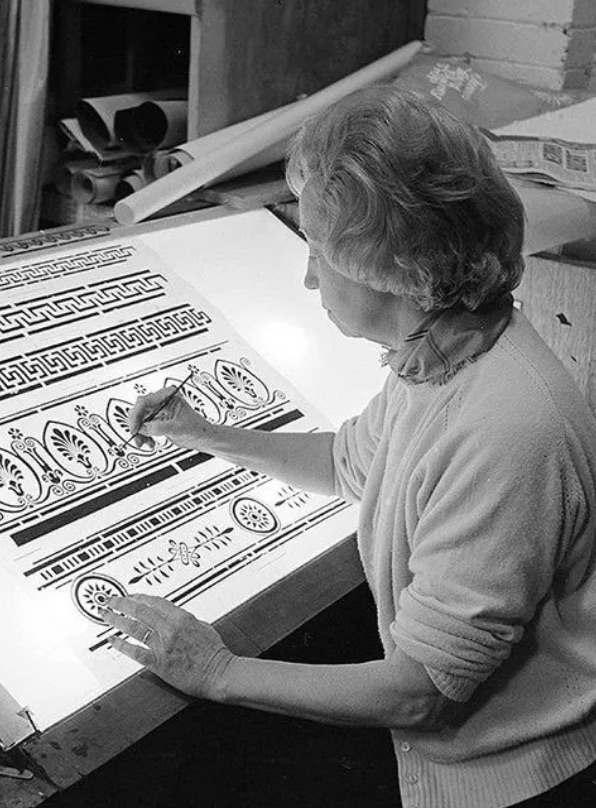 The artist and entrepreneur
The Most Interesting Woman in the Room
She returned to Australia at fifty, having already lived enough lives for three women.
Florence had performed before international audiences, educated children in Shanghai and built a couture business in London.
She carried herself with elegance, impeccable presentation and an unmistakable sense of occasion. People remembered meeting Florence.
Discover her years as an artist
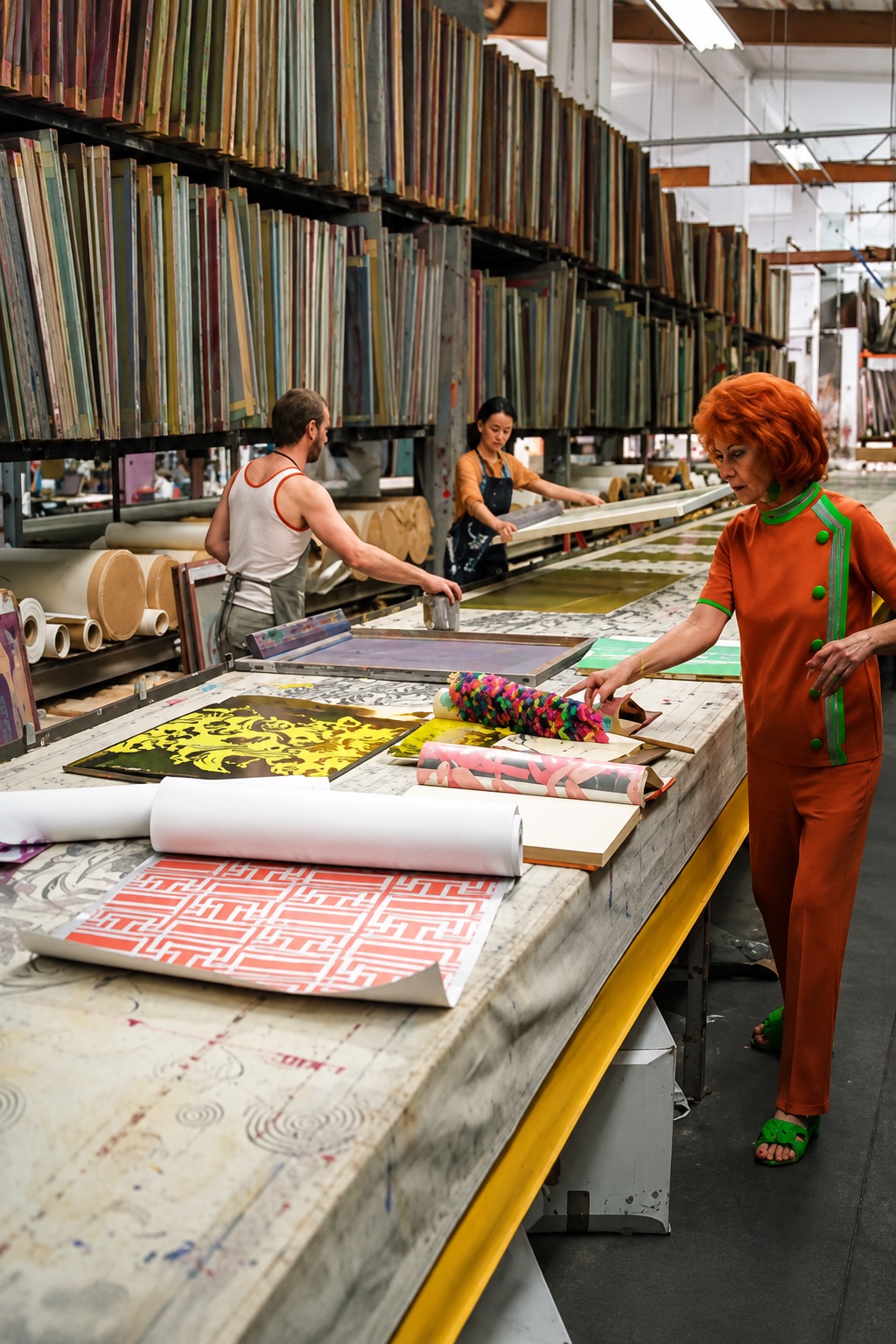 Australian Wallpapers · The studio
Walls Became Her Canvas.
Metallic backgrounds. Botanicals the size of a room. Geometry with the confidence to repeat itself into infinity.
In 1959, Florence founded Australian Wallpapers. It was the moment every previous chapter of her life converged.
She established her studio in Paddington, directing artists as they translated ideas into finished designs. Scale became larger. Colour became richer. Composition became bolder.
Inside the Paddington studio
She never followed fashion.
She created a world entirely her own.
Every Design Tells the Truth.
Look closely and the archive reads like a diary: a visual record of a woman who spent a lifetime collecting the world.
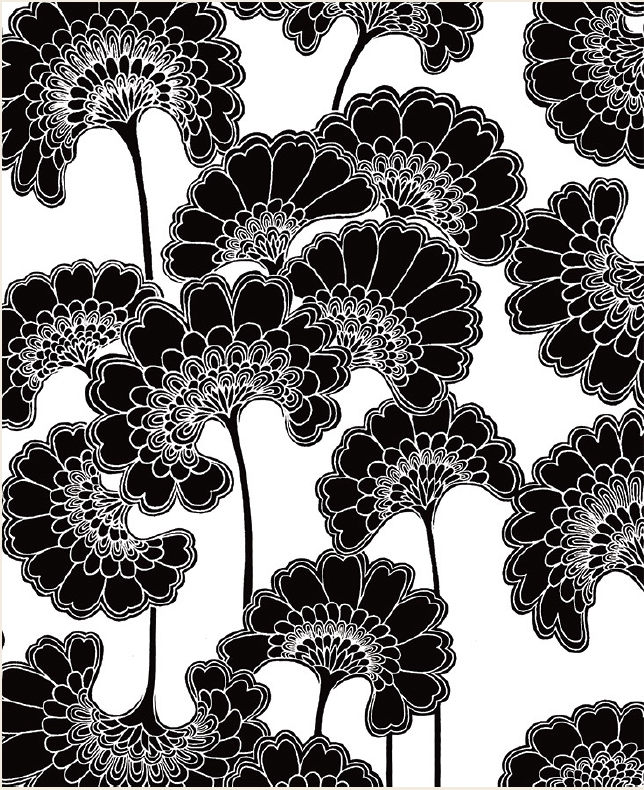
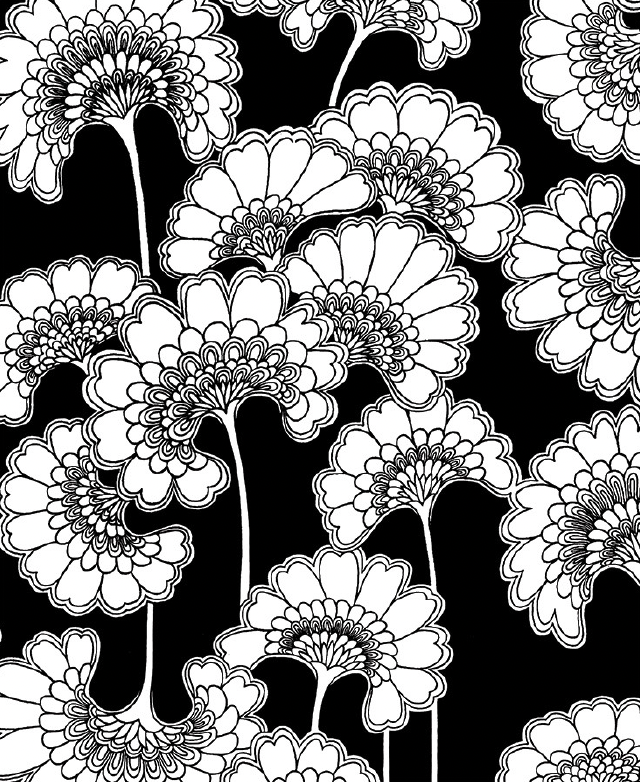
‘Japanese Floral’
Florence's archive brings together the influences of her extraordinary life: Asian decorative arts, European refinement, Australian light and the instincts of a natural performer.
Select a design and colour treatment. Hover over the artwork to reveal its negative.
Explore the Design ArchiveDigital colour treatments are illustrative and are not represented as original historical colourways.
The Signature.
A woman's name standing alone beneath work that needed no one's endorsement but her own.
Across her life, Florence used names with purpose. Bobby Broadhurst belonged to the stage. Madame Pellier belonged to Bond Street. Florence Broadhurst belonged to the archive.
Her signature links every authentic licensed expression back to the woman who created the original design legacy.
 BOLD. ORIGINAL. ENDURING.
The Story Is Not Over.
The designs are only the invitation. The woman remains the discovery.
By the mid-1970s, Australian Wallpapers had become one of Australia's most recognisable design houses. Florence remained deeply involved in the studio, reviewing artwork, directing artists and meeting clients.
On 15 October 1977, Florence was killed in her Paddington studio. No one has been convicted of her murder.
The mystery attracted considerable attention, but it should never overshadow the far greater story: her life, her achievements and her creative legacy.
Discover the enduring legacy
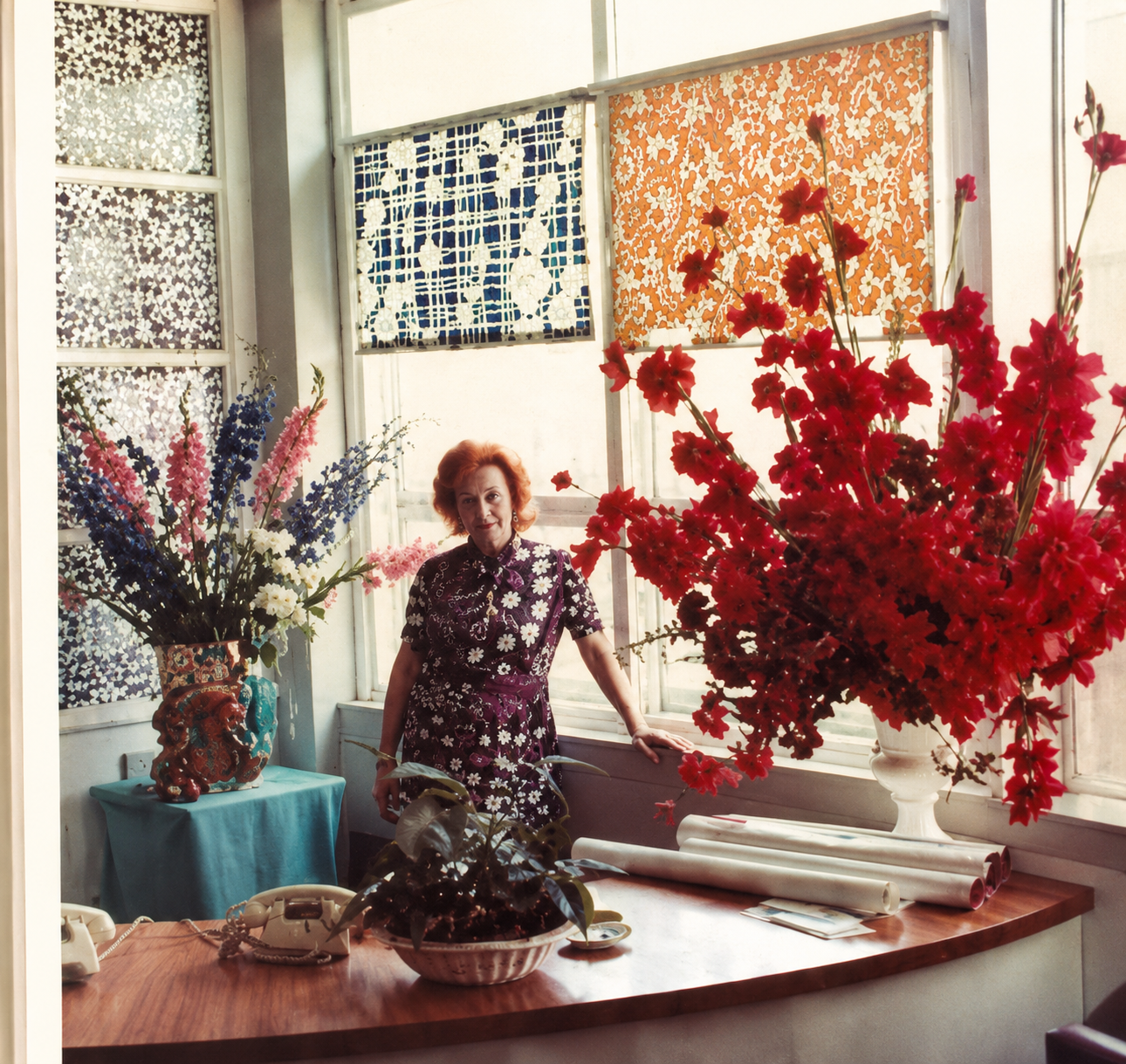
The story was never just about wallpaper.
It has always been about Florence.
Bold. Original. Enduring.
Discover her extraordinary designs